Tiles and tiling for UK homes
Can You Tile Over Existing Tiles?
7 November 2026
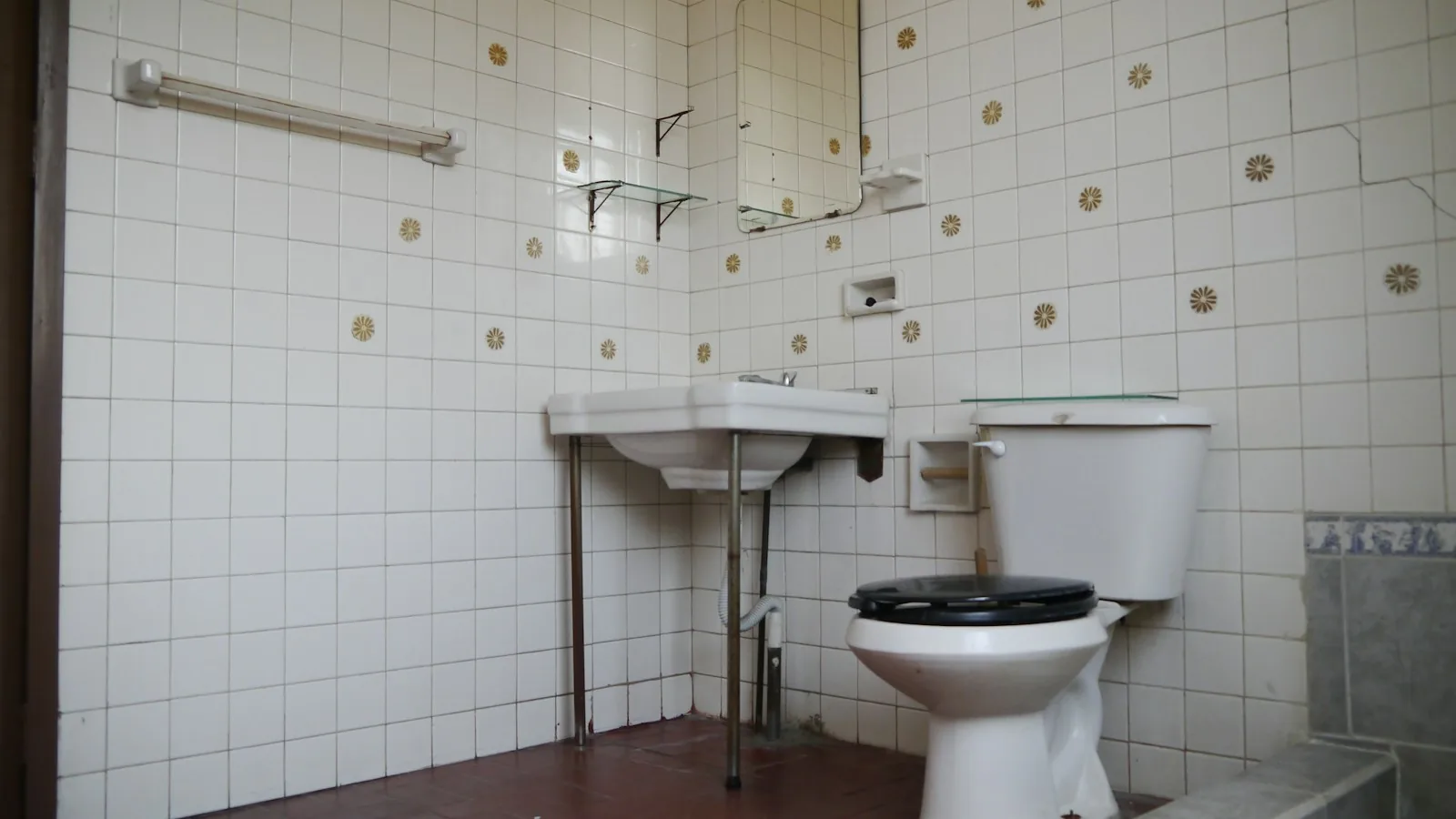
Yes, you can often tile over existing tiles, as long as the old tiles are sound and firmly bonded, the surface is clean and flat, and the wall or floor can take the extra weight. Tile-on-tile saves the mess of stripping, but it isn't right for every room. If the old tiles are loose, cracked or hollow, or the extra weight would go over the wall's limit, take them off.
Quick answer: You can tile over existing tiles if they're firmly bonded, flat and clean, and the background can carry the combined weight. Remove loose or hollow tiles, clean and degrease the surface, use a primer made for the job and a suitable adhesive, and check the extra height won't cause problems.
Key Takeaways
The old tiles must be sound, firmly bonded, clean and flat.
The existing tiles count towards the weight limit for the wall.
Clean and degrease glazed tiles, and use a primer made for tiling over tiles. Never use PVA.
Tiling over tiles raises the surface, which can affect doors, thresholds, sockets and fittings.
New tiles don't waterproof a shower. If the old waterproofing is suspect, strip it out.
When tiling over tiles works
Tile-on-tile works best when the old tiles are well stuck, level and in good condition. Tap each one with the handle of a screwdriver. A hollow sound often means the tile has lost its bond, and a hollow tile under a new one is a weak spot.
Tile adhesive maker Mapei's method statement for tiling over existing tiles says any loose tiles, and loose, weak or cracked grout, should be removed and filled first. The surface must be sound, dry, flat, solid and stable.
Check the weight
Don't skip this check. The Tile Association gives a maximum weight of tiling of 20kg per square metre on a dry, well-adhered plaster wall, and 32kg per square metre on plasterboard without a plaster skim. Those figures include the adhesive.
The old tiles and their adhesive are already part of that load, so the new tiles add to it. Weigh one old tile and one new tile, work out the weight per square metre, and add the adhesive. If the total goes over the limit, strip the old tiles. Our guide to tile standards sets out the limits for other backgrounds.
Preparing the old tiles
Remove any loose or hollow tiles and fill the gaps.
Rake out any loose or crumbling grout.
Clean and degrease the whole surface, because soap, grease and dirt stop adhesive from bonding.
Where the maker says to, abrade the glaze to give a key.
Apply a primer made for tiling over tiles, following the instructions on the tin.
The Tile Association says primers improve adhesion and the durability of the bond, and that PVA should never be used as a primer. Mapei's method uses a bonding primer on the cleaned tiles before the adhesive.
Choosing the adhesive
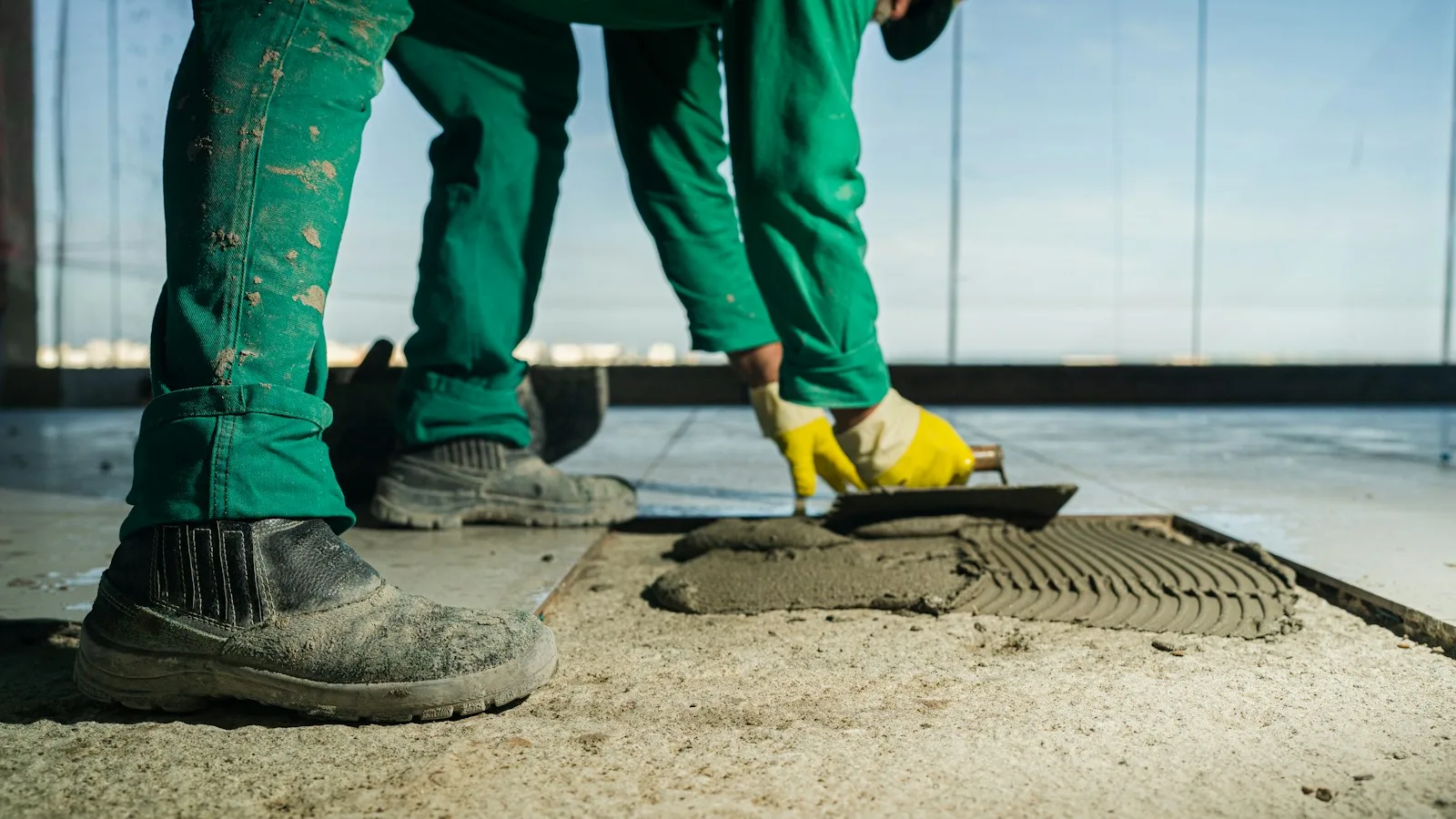
Old glazed tiles absorb very little water, so you need an adhesive the maker approves for tiling over tiles. Mapei's method lists deformable cement-based adhesives among its options. Under BS EN 12004, S1 marks a deformable adhesive and S2 a highly deformable one. Check the bag, or the maker's data sheet, for tile-on-tile use.
If your new tiles are porcelain, choose an adhesive that's suitable for porcelain too. Our guide to porcelain or ceramic tiles explains why.
The extra height
A second layer of tiles and adhesive raises the surface. On a floor, that can stop doors from opening and leave a step at the threshold. On a wall, it can leave sockets, switches, window sills and fittings sitting back from the new surface. Plan for this before you start.
When to strip the tiles instead
The old tiles are loose, cracked or hollow in more than a few places.
The combined weight would go over the limit for the wall.
The tiles are in a shower or wet area and you aren't sure the waterproofing behind them is sound.
The extra height would cause problems you can't fix.
In a shower, the waterproofing is what keeps water out of the wall. The Tile Association notes that BS 5385 part 4 says water-resistant adhesive and grout are no substitute for a waterproof tanking system. New tiles over old won't fix a leak.
When the new tiles are on, choose the grout to suit the room. Our guide to choosing grout explains the options.
If you're tiling a floor, read our guide to slip ratings for floor tiles first.
Can you tile over tiles in a bathroom?
Often, yes, if the old tiles are sound and firmly bonded and the wall can take the weight. In a shower, only tile over tiles if you're confident the waterproofing behind them is sound.
Do you need to prime tiles before tiling over them?
Yes. Clean and degrease the tiles, then use a primer the maker approves for tiling over tiles. The Tile Association says PVA should never be used as a primer.
How much weight can a wall hold for tiling?
The Tile Association gives 20kg per square metre on a dry, well-adhered plaster wall and 32kg per square metre on unskimmed plasterboard, including the adhesive. The old tiles count towards that limit.
Can you tile over floor tiles?
Often, yes, if they're sound, level and firmly bonded. Check that the extra height won't stop doors from opening or leave a step at the threshold.