Tiles and tiling for UK homes
Porcelain or Ceramic Tiles: What Is the Difference?
7 November 2026
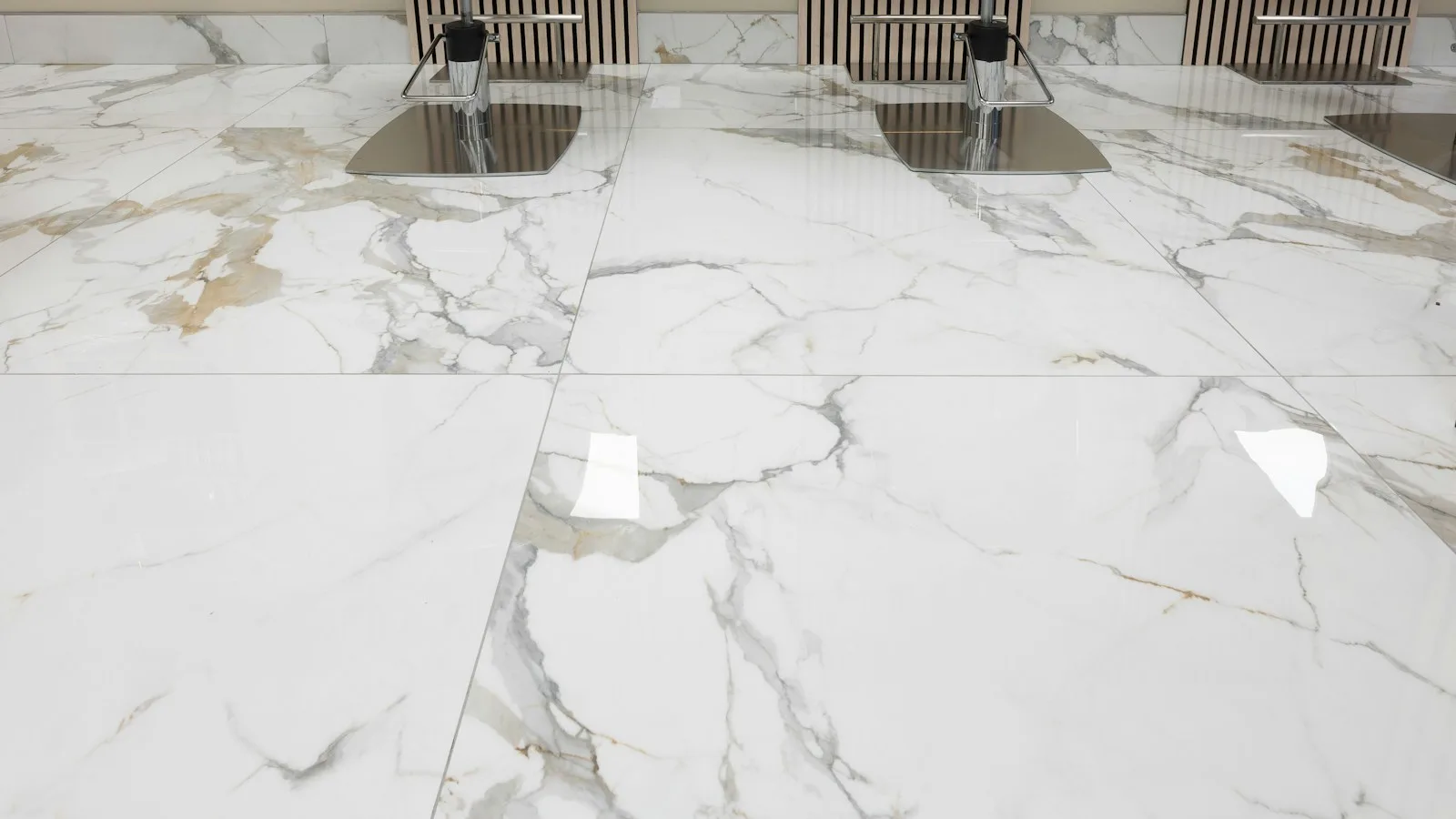
Porcelain is a type of ceramic tile that absorbs very little water. Under the British and European standard for ceramic tiles, BS EN 14411, tiles with water absorption of 0.5% or less fall into group BIa, and that is the group usually sold as porcelain. Other ceramic tiles absorb more water. So the real question when you compare porcelain or ceramic tiles is how dense the tile is, and what that means for where you can use it.
Quick answer: Porcelain tiles are dense ceramic tiles with water absorption of 0.5% or less (group BIa under BS EN 14411). Standard ceramic tiles absorb more water. Porcelain suits floors, wet areas and heavy wear, while ceramic tiles are often lighter, easier to cut and well suited to walls.
Key Takeaways
All porcelain is ceramic, but not all ceramic tiles are porcelain.
Tiles sold as porcelain usually sit in group BIa of BS EN 14411, with water absorption of 0.5% or less.
Low absorption makes porcelain dense and hard-wearing, which suits floors and wet areas.
Porcelain needs an adhesive suitable for low-absorption tiles, so check the bag before you buy.
Heavy tiles can go over the weight a wall can carry, so work out the weight per square metre first.
How tiles are classified
BS EN 14411 sorts ceramic tiles by how they are made and how much water they absorb. Absorption is measured as the weight of water a tile takes up, as a percentage of its dry weight. The lower the figure, the denser and less porous the tile.
Group BIa covers dry-pressed tiles with absorption of 0.5% or less. You'll often see the group and the absorption figure on a manufacturer's technical data sheet. If a tile is described as porcelain, that sheet is the place to check the claim.
Our guide to tile standards explains the other codes you'll see on tiles, adhesive and grout.
Porcelain and ceramic compared
Porcelain | Other ceramic tiles | |
|---|---|---|
Water absorption | 0.5% or less (group BIa) | Higher, and varies by group |
Density | Very dense and hard | Less dense |
Typical use | Floors, wet areas, busy rooms | Walls, and floors the maker rates for it |
Cutting | Usually harder to cut | Usually easier to cut |
Adhesive | One suitable for low-absorption tiles | Wider choice, check the bag |
Where porcelain makes sense
Because it absorbs so little water, porcelain is a common choice for kitchen and bathroom floors, hallways and wet rooms. It's also widely used for large format tiles and for tiles that look like marble, stone or wood.
A low-absorption tile doesn't make the floor any less slippery, though. A polished porcelain floor can be slippery when wet. If the floor will get wet, read our guide to slip ratings for floor tiles before you choose a finish.
Where ceramic tiles make sense
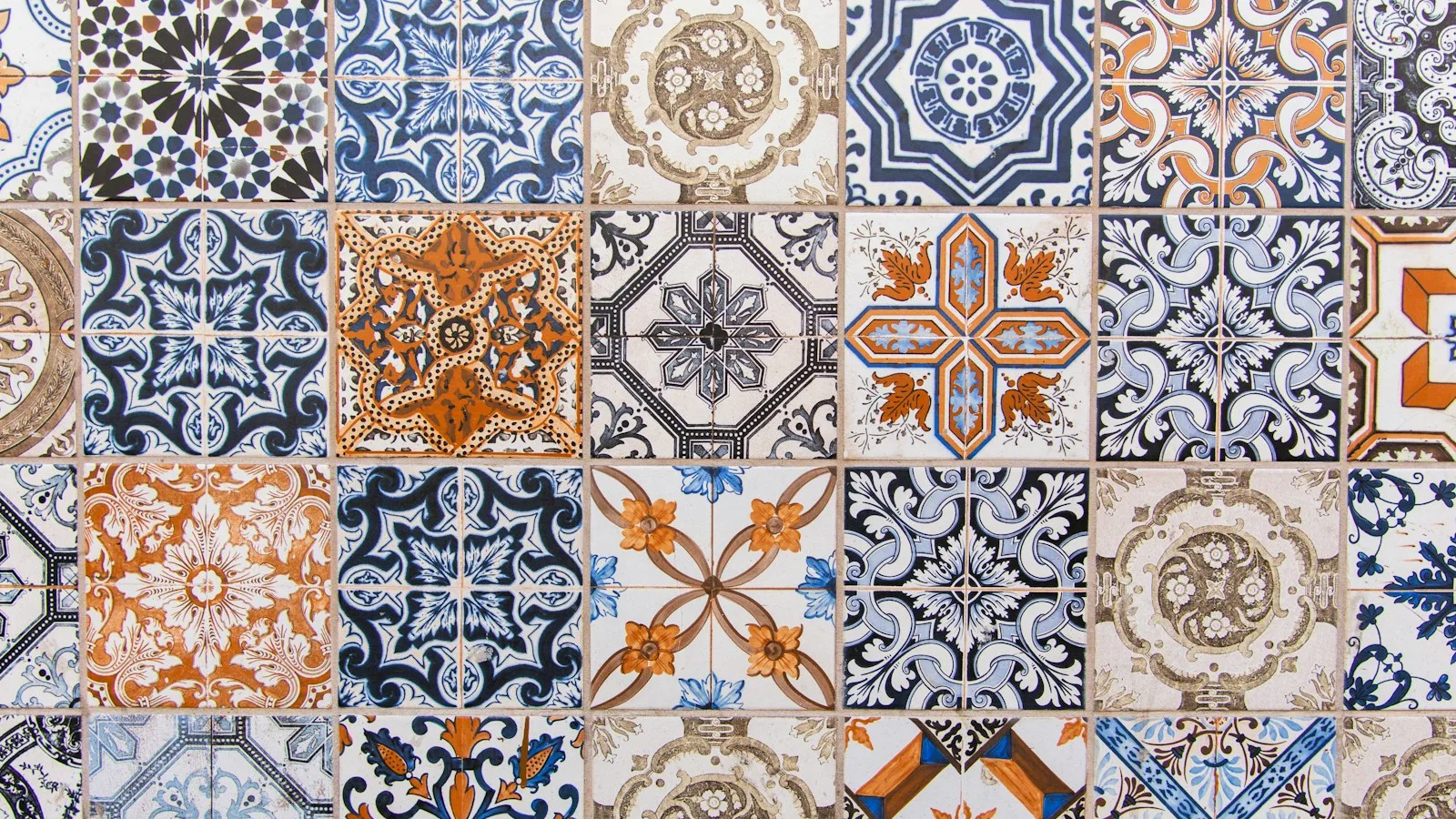
Many wall tiles are standard ceramic tiles. They're often lighter and easier to cut than porcelain, which helps on walls with lots of cuts around windows, sockets and pipes. Check that the maker rates a tile for floors before you use it on one.
What changes when you fix porcelain
The Tile Association notes that the polymers in modern tile adhesives widen where they can be used, including for fixing porcelain tiles. The adhesive bag will say whether it's suitable for porcelain, and the class code tells you more about it.
Weight matters too. The Tile Association gives a maximum of 20kg per square metre on a dry, well-adhered plaster wall, and 32kg per square metre on plasterboard without a plaster skim, counting the tile and the adhesive together. Weigh a tile, work out the weight per square metre, and add the adhesive before you commit to large or thick tiles on a wall.
Grout is the other choice to make. Our guide to choosing grout explains the classes and which to use where.
Which should you choose?
Choose porcelain where the tile will see water, wear or heavy use, and where you want large tiles or a stone or wood look. Choose ceramic where the tile is going on a wall, where you want a lighter tile that's easier to cut, or where the maker's rating suits the room.
Whichever you choose, check the data sheet for the water absorption, the slip rating if it's for a floor, and whether the tile is suitable for the room. If you're tiling over an old surface, our guide on whether you can tile over existing tiles covers what to check first.
Is porcelain better than ceramic?
Porcelain is denser and absorbs less water, so it's usually the better choice for floors and wet areas. Ceramic tiles are often lighter and easier to cut, which can make them the better choice for walls.
How can I tell if a tile is porcelain?
Check the manufacturer's technical data sheet. Tiles sold as porcelain usually state group BIa under BS EN 14411, with water absorption of 0.5% or less.
Can I use porcelain tiles on a wall?
Yes, as long as the wall can carry the weight and the adhesive is suitable for porcelain. The Tile Association gives 20kg per square metre on plaster and 32kg per square metre on unskimmed plasterboard, including the adhesive.
Do porcelain tiles need sealing?
Most glazed porcelain doesn't need sealing. Some unglazed or polished tiles benefit from a sealer, so follow the tile maker's care instructions.