Tiles and tiling for UK homes
How to Seal Natural Stone Tiles
7 November 2026
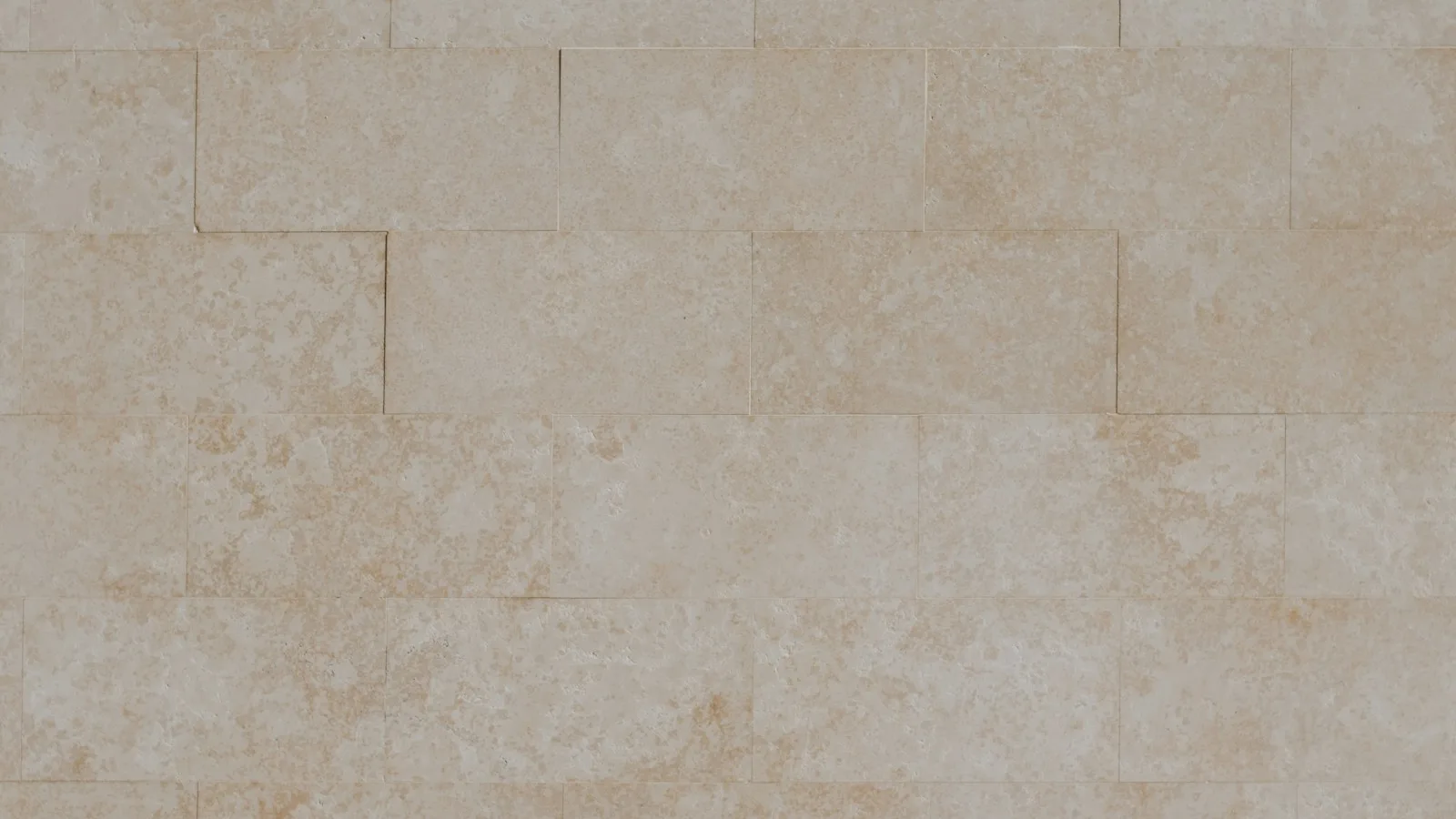
To seal natural stone tiles, clean them thoroughly, let them dry completely, then apply an impregnating sealer evenly and wipe off any excess before it dries on the surface. Most natural stone is porous, so a sealer helps stop water, oil and grime soaking in. Seal before grouting as well as after, because a first coat makes grout residue easier to remove and protects the stone while you grout.
Quick answer: Clean the stone, let it dry thoroughly, then apply an impregnating sealer evenly with a brush, sponge or cloth, redistribute it to avoid pooling and wipe off the excess. Seal once before grouting and again once grouting is finished and the surface is clean and dry, and always follow the times on the product.
Key Takeaways
Most natural stone is porous, so sealing helps protect it from water, oil and grime.
The surface must be clean and dry before you seal.
A coat of sealer before grouting helps remove grout residue and protects the stone.
Invisible sealers protect without changing the look; colour-enhancing sealers deepen the colour.
Don't use acidic cleaners on limestone or marble.
Why natural stone needs sealing
Travertine, limestone, marble, sandstone and many other stones are porous. Liquids can soak in and leave marks, and grout can stain the surface during fixing. An impregnating sealer soaks into the stone and makes it repel water and oil, which helps prevent staining and makes cleaning easier.
Stone-care maker LTP describes its impregnating sealers as giving an invisible barrier that won't greatly change the surface, and notes that they are microporous, so they can be used on surfaces without a damp-proof course.
Choose your sealer
Type | What it does |
|---|---|
Impregnating (invisible) sealer | Protects against water, oil and grime without greatly changing the look |
Colour-enhancing sealer | Protects and deepens the colour, often used on darker stones |
Always try a sealer on a spare tile or a hidden corner first, so you can see how it changes the stone.
Seal before you grout
LTP's instructions for natural stone say to wash the surface well before grouting and, once it's clean and thoroughly dry, apply at least one coat of sealer. That first coat helps with the removal of residual grout and protects the surface of the stone.
The Tile Association also advises a trial on porous tiles: if the grout discolours a test tile, seal the surface and try again. Our guide to choosing grout explains which grout to use where.
How to seal natural stone tiles
Clean the stone with a cleaner made for natural stone, then rinse and leave it to dry. LTP says to allow at least 24 hours to dry after deep cleaning.
Turn underfloor heating off, as LTP's instructions require.
Apply the sealer evenly with a sponge, brush or soft cloth.
Spread it out so it doesn't pool, then wipe off any excess before it dries on the surface.
Leave it to cure. For its stone sealers, LTP says not to walk on the surface for at least an hour, to protect it from water for 24 hours and not to wash it for at least 3 days.
Curing times vary between products, so the instructions on your tin always come first.
Cleaning stone without damaging it
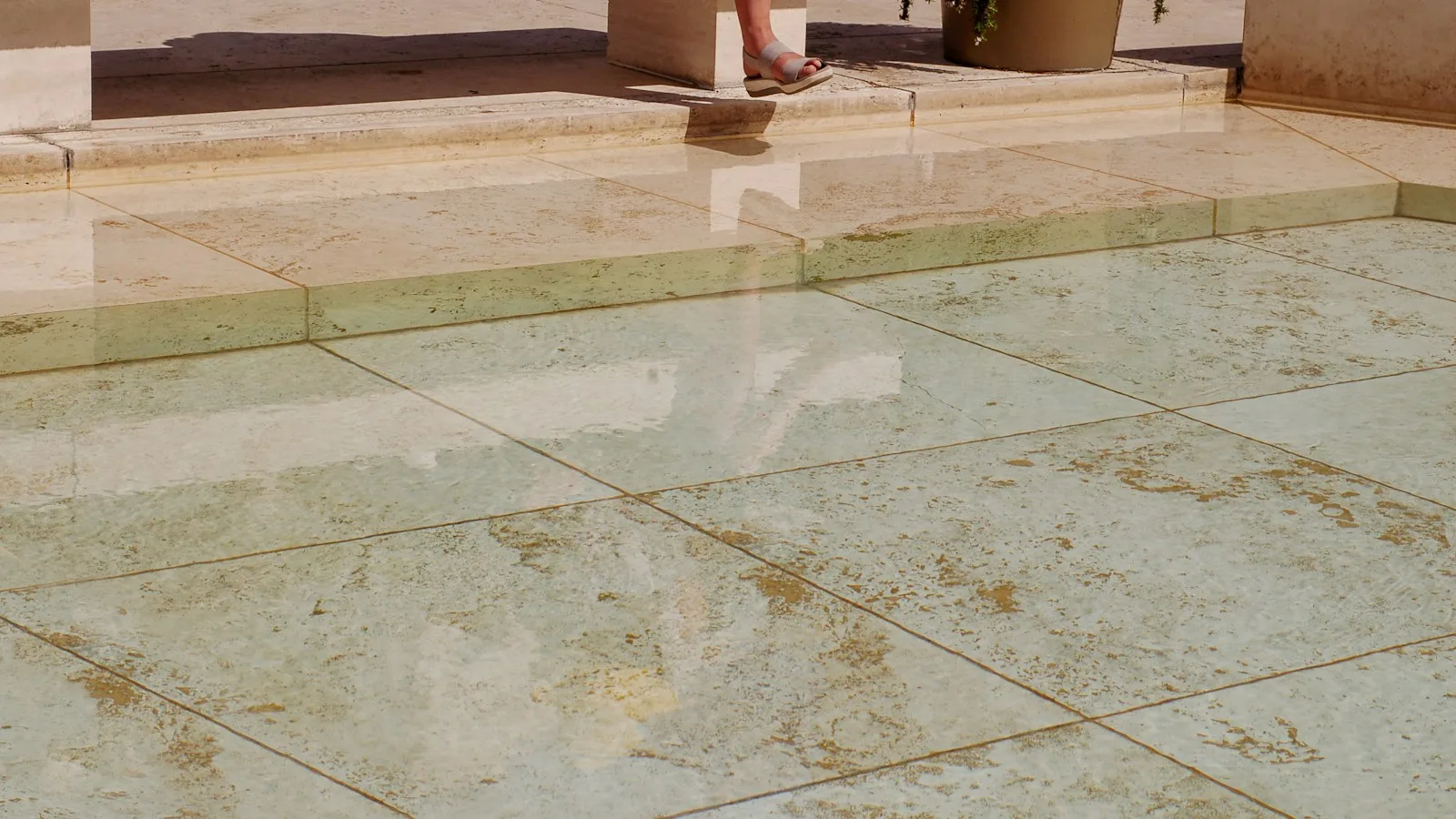
LTP warns against using acidic cleaners on limestone and marble, and says old sealer, residue from care products and other deposits should be removed before resealing. Use a cleaner made for natural stone, and test anything new on a hidden area first.
Natural stone on walls
Stone is heavy. The Tile Association gives a maximum weight of tiling of 20kg per square metre on plaster, which it says is equivalent to natural stone up to about 7mm thick, and 32kg per square metre on unskimmed plasterboard, equivalent to stone up to about 10mm thick. Those figures include the adhesive. Our guide to tile standards covers the limits in more detail.
If you're weighing up stone against tiles that look like stone, our guide to porcelain or ceramic tiles explains how porcelain compares.
Stone floors can be slippery when wet, especially polished ones, so read our guide to slip ratings for floor tiles before you choose a finish.
Do all natural stone tiles need sealing?
Most natural stone is porous and benefits from sealing. Check the supplier's advice for your stone, and test a sealer on a spare tile first.
Should I seal stone before or after grouting?
Both. A coat before grouting helps remove grout residue and protects the stone, and a coat once grouting is finished, and the surface is clean and dry, protects the finished floor or wall.
How long does sealer take to dry?
It depends on the product. For its stone sealers, LTP says not to walk on the surface for at least an hour, to keep it dry for 24 hours and not to wash it for 3 days.
Can I clean marble with vinegar?
No. Vinegar is acidic, and stone-care makers warn against acidic cleaners on limestone and marble. Use a cleaner made for natural stone.